SNACK Summary in 3 Lines
- Google opened pre-orders for the new Google Home Speaker at $99.99, with retail availability listed for June 25.
- The main change is Gemini for Home: Google says the speaker can understand more natural speech and handle multiple requests or mid-sentence corrections more smoothly.
- Google is also framing it as a living-room hub, including two-speaker pairing with Google TV Streamer, which makes this feel like a broader home-AI reset rather than a routine speaker refresh.
Snack Editorial Note
Red: This looks less like “another smart speaker” and more like a new front door for Gemini inside the home.
AIKO: The useful part is that price, launch timing, and everyday use cases were all shown together, so readers can compare it immediately.
Nea: And the promise of correcting yourself mid-sentence is exactly the kind of thing that determines whether a voice device feels natural or annoying.
Google has formally introduced the new Google Home Speaker and moved straight into pre-orders. What makes this more than a cosmetic hardware update is that Google is now packaging Gemini as the default voice experience for a mass-market home speaker, with concrete pricing, a shelf date, and living-room use cases already on display.
The buying facts are already clear
Google’s official blog post and Google Store page line up on the same headline facts: the new Google Home Speaker is open for pre-order at $99.99 and is scheduled to hit shelves on June 25. That gives readers a real launch yardstick instead of a vague preview window.
At this price, the device is easier to read as a practical upgrade candidate than as a speculative concept product. In other words, this is something people can compare against their current smart-home speaker right now, not just watch from afar.

What Gemini changes in day-to-day use
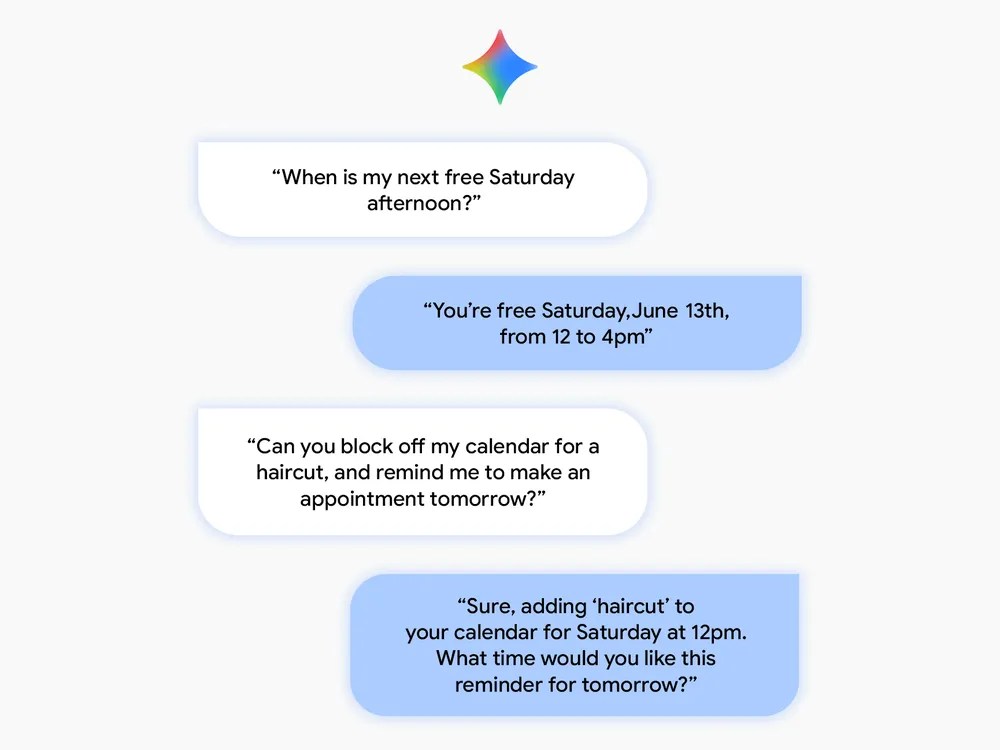
Google says Gemini for Home reduces the need for rigid command phrasing. The company specifically highlights multi-step requests in one breath, easier mid-sentence corrections, and more nuanced question handling.
It also points to 10 natural-sounding voices and short-term conversational context. The real product story, then, is not only audio playback. It is a speaker that is supposed to feel more like a flexible home assistant terminal than an old command-only smart device.
Why the living-room angle matters
Google’s own examples go beyond voice prompts for lights. The company also shows pairing two speakers with Google TV Streamer to create a stronger TV-room setup, which signals a broader push across entertainment and smart-home control together.
That is why the next real checkpoint for readers is not just raw speaker output, but how much more natural Gemini makes everyday home control and follow-up requests feel. Early usage reports should quickly reveal whether the convenience pitch holds up outside Google’s demos.

Sources and checked date: Checked on 2026-06-18 KST / published 2026-06-17
Leave a comment