
SNACK: 3-line summary
- Google Arts & Culture and the Courtauld have launched The Art of Looking with 12 new online stories.
- Explore detailed artwork images alongside accounts of artists’ techniques and the ideas behind their work.
- Choose Examine, Play or Discover on the project page to start with artwork details, interactive activities or stories.
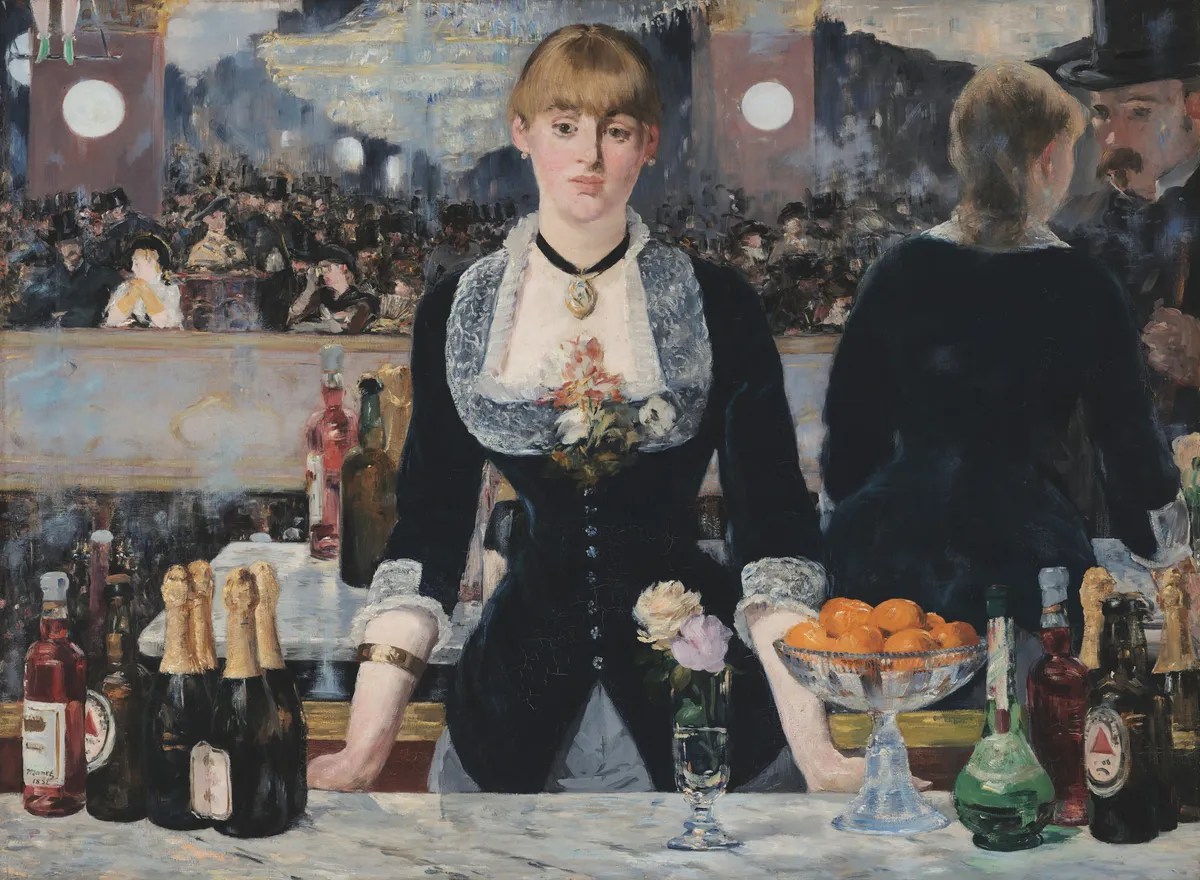
The mirror in Manet’s A Bar at the Folies-Bergère gives you a reason to look twice. Launched on November 4, Google Arts & Culture and the Courtauld’s The Art of Looking pairs detailed artwork viewing with stories about how art is made and understood.
Snackgirls react
Kirari: That mirror makes me want to map out where everyone is standing! I’d start with the barmaid, then follow her reflection across the scene.
Nea: I’d like to spend some time with The Dream. I wonder which small detail might change how I interpret its questions about vice and virtue.
New stories build on a partnership begun in 2022
The Courtauld combines a public gallery with art-history teaching and research. Its expanded Google Arts & Culture project adds 12 stories exploring questions about art’s meaning, its audiences and the creative choices behind individual works.
The partnership began in 2022, when Google’s Art Camera captured 16 works in high detail. Those images date to the earlier collaboration; the new addition is a collection of stories that brings artworks and the research around them into focus.
Manet’s mirror and Michelangelo’s riddle
In Manet’s A Bar at the Folies-Bergère (1882), the barmaid faces the viewer while her reflection appears to serve a male customer off to the right. The mirror departs from normal perspective, lending an unsettling quality to the bustling music-hall scene.
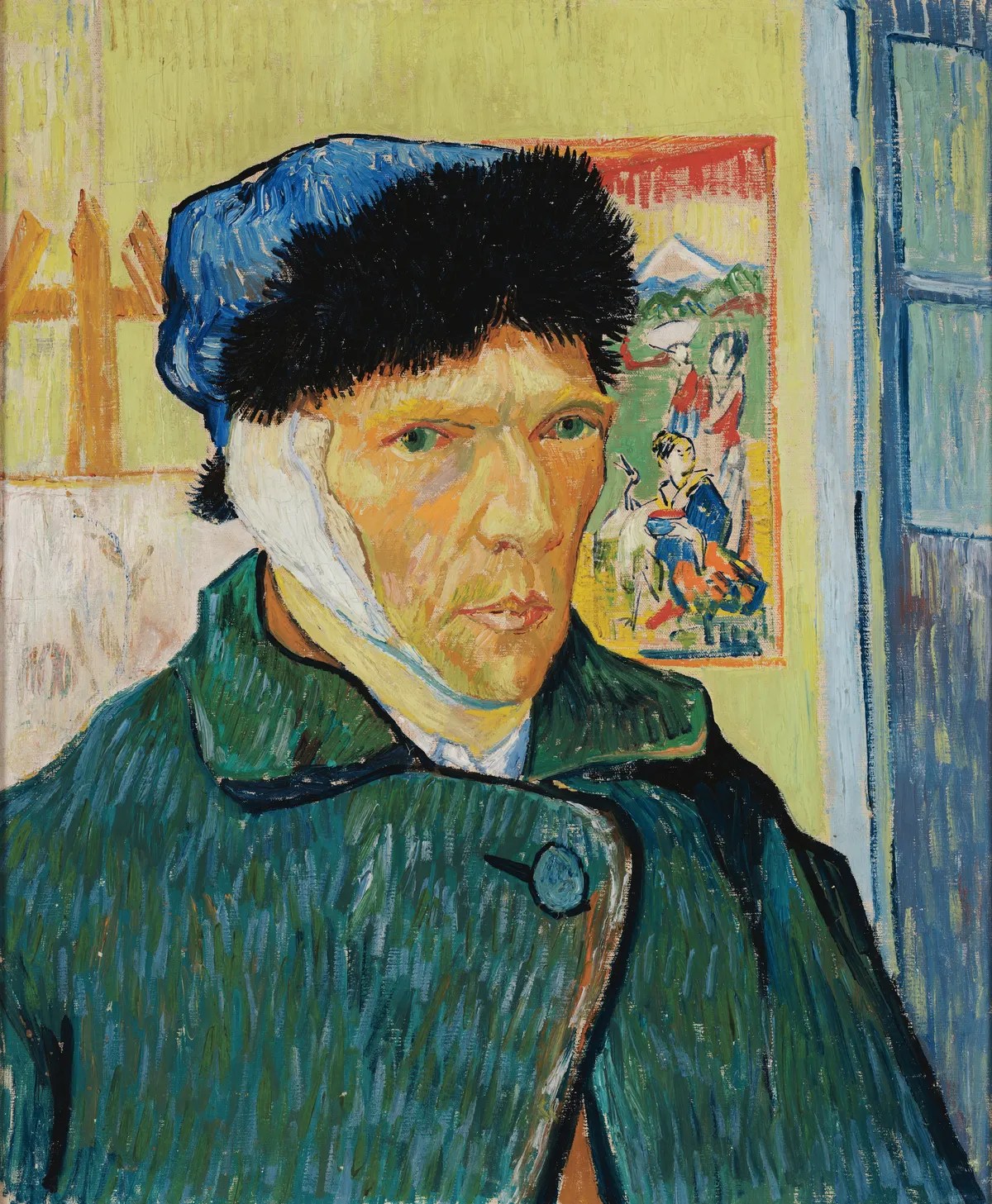
Elsewhere, the project explores the bold marks Van Gogh made with reed pens and the enduring riddle of Michelangelo’s The Dream, a drawing designed to spark debate about vice and virtue. These features offer specific details to follow, from an artist’s choice of tool to the possible meanings within a composition.
Start with a detail or follow a question
Open https://artsandculture.google.com/project/courtauld and choose Examine for close-up artwork viewing, Play for interactive activities or Discover for stories. For a focused first stop, explore the Van Gogh reed-pen feature and how his choice of tool shaped the marks he made.
A newly announced artist residency will also explore AI-assisted metadata workflows for the Courtauld’s photographic collections, as groundwork for making images searchable and connecting them to teaching curricula.
Sources and checked date: November 4, 2026
Comments
0No login needed. Edit or delete your comment from the same browser.
All comments 0
한국어 · English · 日本語No comments yet. Start the conversation.